Frozen Ship Resources, Loot, and Scavenging
What to strip from the frozen Earth — and what to leave when the clock runs out
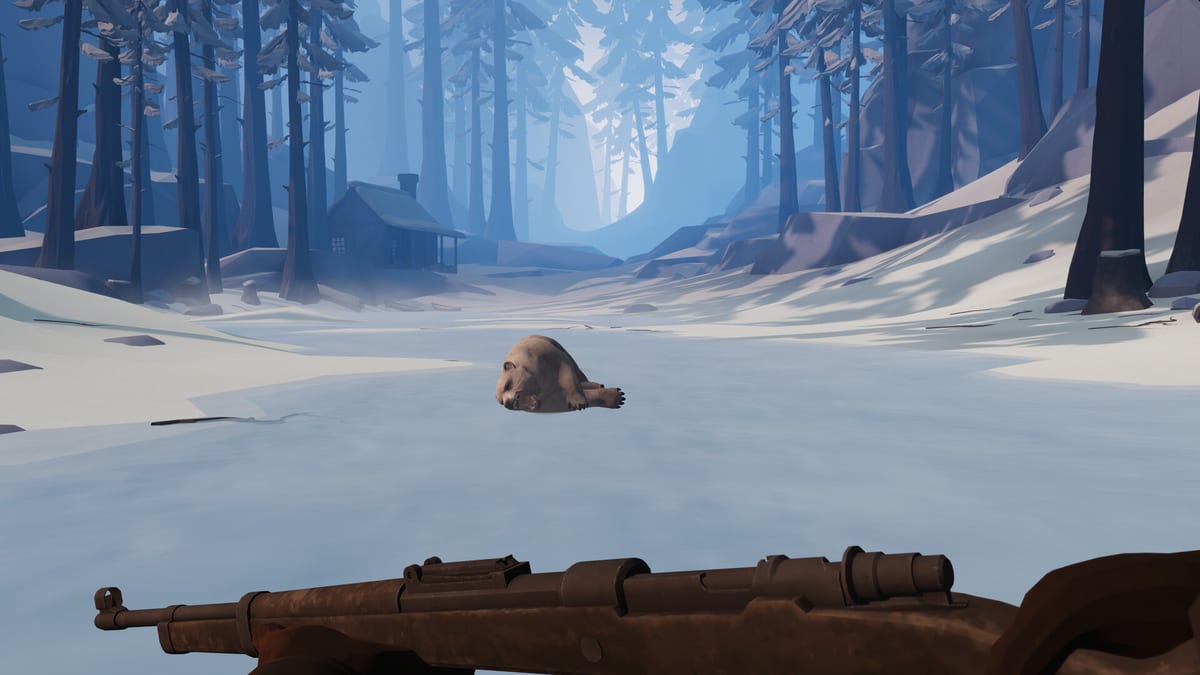
Every crate you drag home in Frozen Ship is a vote for tomorrow’s heat, meals, and Hope. Nionetix’s first-person survival expedition — Early Access on Steam August 7, 2026, app 3423990, Windows PC, single-player only — treats resources as life in official copy. You leave the moving ship on foot, strip procedural ruins, and race the sun before lethal cold closes the window. What you pick up feeds crafting, ship buildings, and trade; what you ignore may haunt you three blizzards later.
This page catalogs known resource types from Steam and previews, explains scavenging ruins, covers the time cost of actions, and links expedition thinking to exploration, heating and fuel, and the expedition checklist.
Core resource categories
Preview builds and store materials converge on a practical loot taxonomy:
Wood
Primary fuel for furnaces and common construction input. Gathered via forestry along the ship trail or assigned crew. Wood is never “optional” — empty furnaces on −60°F nights kill crew indoors; see heating and fuel and Survive the Cold.
Cloth and fabrics
Stripped from homes, shops, and wreckage. Feeds clothing layers, medical supplies, and workshop recipes. Low weight relative to value early game — prioritize when cold blocks longer routes.
Plastics and industrial scrap
Demo footage emphasizes dismantling abandoned objects for plastics, metals, and components. These inputs unlock tools and ship upgrades faster than raw wood alone.
Food
Calories for twenty crew multiply shortages quickly. Sources include scavenged pantries, hunting (expanding post-launch — hunting and weapons), and purchased stock from trade. Food competes with fuel for assignment hours.
Scrap and salvage
Catch-all category: gear parts, mechanical junk, electronics, and sellable trade goods. Sort on return — duplicate scrap funds merchants; unique components may gate research benches.
Scavenging ruins: where loot lives
The procedural wasteland recycles civilization in frozen chunks:
- Abandoned homes — cloth, food, furniture materials
- Shops and depots — packaged goods, tools, trade valuables
- Hospitals and clinics — medical priority when health and illness spikes
- Industrial sites — metals, plastics, fuel precursors
- Railways and transit hubs — mixed salvage, sometimes story items
Ruins are not infinite buffets. Actions take in-game hours — clearing one house can consume most of a daylight window. Route planning on exploration should count nodes × action time, not loot icons on the horizon.
Time cost of actions
Frozen Ship punishes hesitation through real time budgets, not arcade stamina bars. Preview impressions describe:
- Forestry — felling a tree may cost an hour or more.
- Dismantling — large objects eat multiple hours per piece.
- Travel on foot — distance to the ship trail matters because the vessel keeps moving.
Implications for captains:
- Stack only as many hour-long actions as fit before your turn-back time.
- Prefer ruin strips near the ship path early — Getting Started recommends short loops first.
- Abort the last crate when freezing climbs faster than expected; partial hauls beat captain death.
The embedded video above shows loot, craft, and survivor management in motion — use it to calibrate how long a “quick” house run actually takes.
Loot priority when inventory is limited
When carry capacity forces choices, pick up in this order:
| Tier | Category | Why |
|---|---|---|
| 1 | Medical and food | Immediate crew survival |
| 2 | Fuel and cold gear | Furnaces and personal exposure |
| 3 | Crafting primitives | Metal, fabric, chemicals for workshop |
| 4 | Quest and story items | Block progression if left behind |
| 5 | High-value trade goods | Sell when hold space allows |
| 6 | Duplicates | Only after buffers exist |
Sync priorities with build priority — a hospital shortage overrides scrap that sells for pocket change.
From loot to ship power
Depositing goods is not the finish line. Unsorted storage blocks crafting queues and hides wood from furnace workers.
Evening workflow after a haul:
- Fuel first — route wood and processed fuel to heating before celebrating rare finds.
- Kitchen and meds — visible food stabilizes Hope.
- Workshop inputs — queue tools and clothing before junk fills hold.
- Trade stash — separate sellables so expeditions do not accidentally burn merchant stock as fuel.
Procedural variety and respawn
Marketing emphasizes a world that changes from game to game. Node density, ruin types, and route risk shift between saves. Keep personal notes or reuse the expedition checklist so you do not rediscover the same dead end twice.
Respawn rules for resources will be confirmed at Early Access launch. Until then, assume nodes deplete locally and recovery may require travel or hold days — plan routes accordingly on exploration.
Settlements and trade as loot extensions
Sometimes the best “loot” is a merchant discount or faction quest reward. Settlements and factions convert diplomacy into gear you cannot craft yet. Trade turns duplicate scrap into calories when local ruins dry up.
Roadmap: loot and locations
Nionetix lists loot and location expansions on the Early Access roadmap. New POIs will invalidate old community farming routes — rescan patch notes on the release timeline after major drops.
Single-player hauling
No shared inventory tricks — you alone decide what fits in the pack and what crew gatherers bring back. Conservative loads that guarantee a before-dusk return outperform greedy marathons that hospitalize half the roster.
Related pages
- Exploration — routes, hazards, and return timing
- Crafting — turning loot into gear
- Trade — selling surplus and buying gaps
- Expedition checklist — pack list before every exit
- World Hub — outdoor systems overview
Frequently Asked Questions
Quick answers to the most common questions.
What resources should I prioritize on day one?
Wood for furnaces, basic food, and any cloth or scrap that unlocks your first axe and warm gear. Skip distant luxury loot until return timing and ship heat are stable.
How long does scavenging a building take?
Preview builds use hour-scale action costs — clearing one house can consume most of a daylight window. Budget actions, not just distance, when planning routes.
Do resources respawn in the world?
Procedural survival games typically respawn nodes over time, but rules vary. Confirm Frozen Ship's respawn behavior after Early Access launch.
Should I sell scrap or store it for crafting?
Keep one stack of primitives for imminent workshop recipes; sell duplicates once kitchen, heat, and medical buffers exist. Align with build priority bottlenecks.
Where does wood fit in loot priority?
Wood is both loot and fuel — treat it as tier-one when furnaces trend empty, even if rare scrap nearby looks tempting.