Frozen Ship Ship Buildings and Room Upgrades
Hospital, kitchen, workshop, and infrastructure that keep twenty crew alive
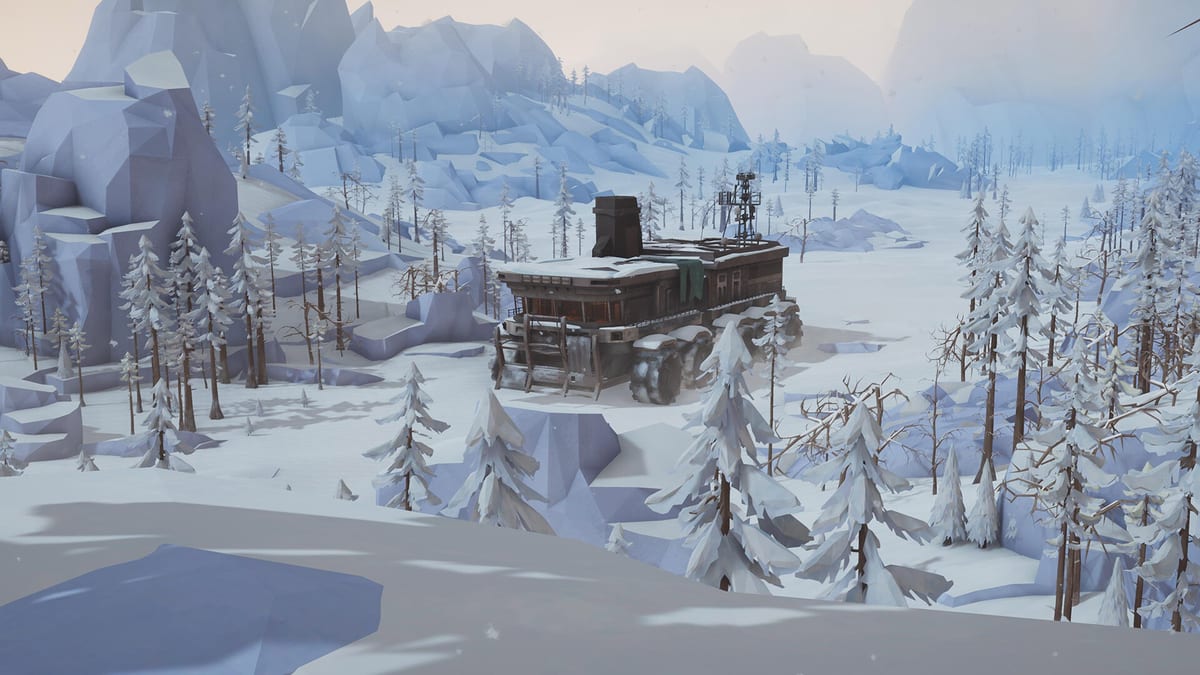
Every wall you raise aboard the expedition vessel in Frozen Ship converts scavenged materials into survivable days. Nionetix frames the ship as a mobile city: not a static settlement but a rolling platform where hospital beds, meal service, and fabrication lines must function while the hull keeps moving through the frozen Earth. With a crew of about twenty and Hope riding on living conditions, buildings are how you translate loot from exploration into stable routines.
This page covers known building roles from Steam and official previews, how they interact with crafting and research, and staffing notes that tie directly into work assignments.
The hospital: downtime insurance
Illness, injury, frostbite, and exhaustion are expected when people split time between deck duty and wasteland sorties. The hospital (or medical bay — final naming may shift in Early Access) stabilizes injured crew, speeds recovery, and prevents a single bad expedition from cascading into empty workstations.
Build medical capacity before you extend trip length beyond what Return to the Ship recommends. Pair the hospital with health and illness knowledge so you know when to pull workers from the kitchen to avoid cross-infection. Upgrade priorities usually favor more beds and faster treatment over cosmetic improvements — lost crew-hours hurt Hope more than ugly walls.
The kitchen: food, warmth, and morale
The kitchen converts raw ingredients into meals that keep the crew fed and Hope from collapsing during ration crises. Official copy emphasizes well-being: fatigue, fear, and faith in the mission all respond to how people eat and rest.
Early kitchen upgrades should focus on throughput — twenty mouths multiply shortages quickly. If you enact strict rationing laws, compensate with better recipes or dining space once manage Hope flags morale dips. The kitchen competes for the same gatherers who supply the workshop; use the build priority list if you are unsure which room starves first.
The workshop: crafting hub
The workshop is where scrap becomes tools, weapons, clothing, and ship components. Most mid-game gear chains pass through this room, which makes it the bridge between crafting systems and what you can safely bring into blizzards covered in Survive the Cold.
Workshop tiers typically unlock faster production or advanced benches. Delaying workshop level-ups slows every other plan — including research fabrication that needs specialized parts. Assign your steadiest crafters here; rotating rookies wastes materials on failed batches if the game models skill (confirm in Early Access).
Research facilities
Research buildings (often a dedicated lab or annex) consume crew time and power to unlock technologies. They are powerful but not day-one essentials. Stand up food and crafting first, then open the lab when daily chores run without babysitting — details on timing live on the research page.
Storage, quarters, and support rooms
Previews mention transforming the ship into a living city. Expect supporting structures such as:
- Crew quarters — density affects rest quality and Hope.
- Storage — without it, expedition loot blocks hallways and encourages hoarding on characters.
- Utilities — heating, power, or fuel processing may gate advanced rooms; watch the Early Access roadmap for new systems.
Exact room counts may change during the 1–2 year Early Access window Nionetix describes on Steam. Treat this list as strategic scaffolding, not a final tech tree screenshot.
Upgrade philosophy
Building upgrades generally trade bulk materials plus rare components from trade or faction quests. Upgrade the room that bottlenecks today:
| Symptom | Likely bottleneck |
|---|---|
| Crew returning sick with long recovery | Hospital level or staffing |
| Hope drops every evening | Kitchen throughput or quarters |
| Expeditions lack gear | Workshop tier |
| Tech stalled for weeks | Research staffing or missing parts |
Avoid upgrading three rooms simultaneously unless you have surplus stockpiles — partial upgrades on four systems beat a finished luxury room while people still sleep in the cold.
Laws, Hope, and construction
Captain decisions — rationing, discipline, expedition mandates — land harder when infrastructure lags. Passing a harsh law without beds or meals ready converts policy into Hope damage. Read crew management before you combine new laws with a construction sprint.
Construction itself may require crew off exploration duty. If your gatherers are also your only builders, schedule ship work on days when settlements are out of reach.
Single-player focus
Frozen Ship is single-player only — single-player only to split building roles. You alone decide demo priorities, which makes disciplined sequencing more important than in squad-based survival games.
Related pages
- Crafting — what the workshop produces
- Research — technologies unlocked aboard
- Build priority — recommended construction order
- Ship Hub — overview of all mobile base systems
- Getting Started — first-day loop before major builds
Frequently Asked Questions
Quick answers to the most common questions.
Which ship building should I construct first?
Secure food and basic shelter, then add a workshop so crafting is not blocked. Medical capacity should follow before you lengthen expeditions into harsh weather.
Do buildings work while I am exploring on foot?
Crew assigned to ship duties continue tasks aboard while you play in first-person away from the deck, provided staffing and supplies are set. Always plan a return before nightfall.
Can buildings be demolished or moved?
Official materials emphasize construction and upgrades aboard the moving ship. Demolition or relocation rules are not fully documented pre-launch — verify in Early Access patch notes.
How do buildings affect Hope?
Crowded quarters, empty larders, and broken facilities erode crew belief in the mission. Upgrading kitchens, medical bays, and living space stabilizes Hope alongside laws and assignments.