How to Play Frozen Ship
The captain's daily loop — assign, explore, return, upgrade, decide.
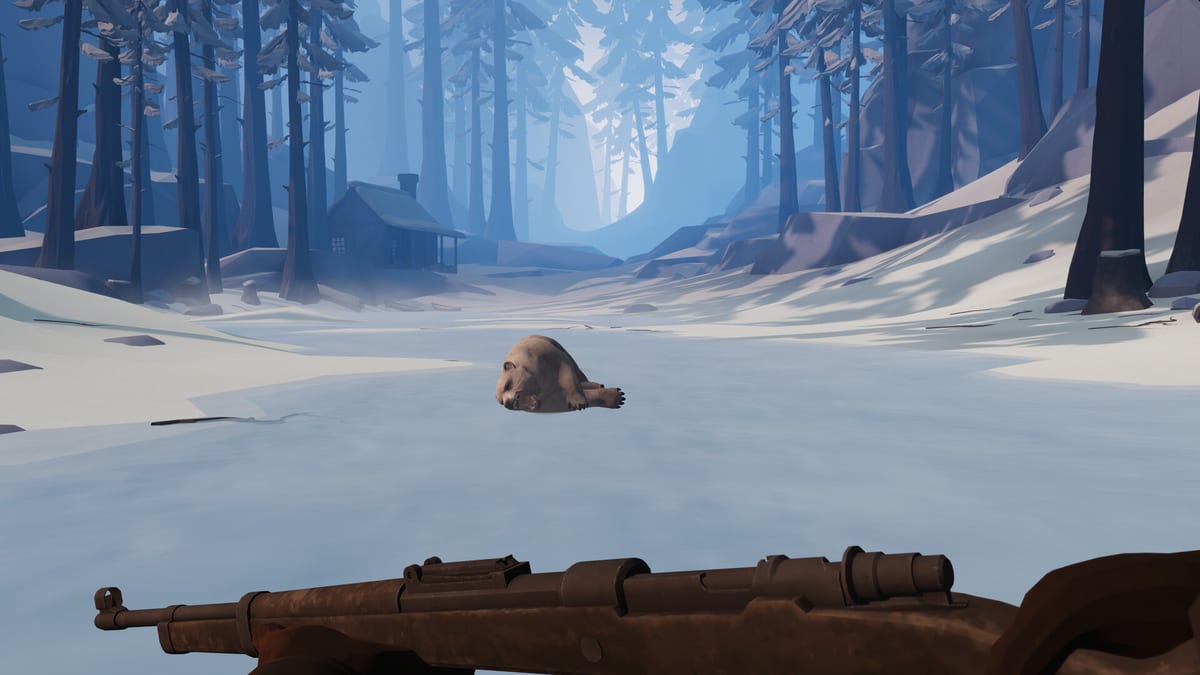
Frozen Ship by Nionetix merges first-person survival, ship management, crafting, and light economic strategy into one continuous expedition. You are not building a static base in a forest clearing—you are captaining a steam-powered machine that crawls across a frozen world while twenty crew members depend on your planning. Windows PC via Steam Early Access is planned for August 7, 2026. The game is single-player only.
Understanding the daily loop is the difference between a stable campaign and a cascade of frozen bodies and broken morale.
The six-beat captain loop
Every in-game day follows the same skeleton. Mastery is executing it under procedural map pressure and shrinking margins.
1. Morning — assign crew
Before you leave the ship, open assignments and fill critical work slots. Crew aboard handle construction, cooking, crafting, research support, and onboard maintenance; crew sent outward scavenge food, plastics, fabrics, wood, and salvage.
Think in bottlenecks, not symmetry:
- If furnaces ran low overnight, bias toward wood and fuel gatherers.
- If food stores are yellow, prioritize cooking and scavenging edible stock.
- If you queued a Ship Buildings project, keep builders staffed even if exploration feels more exciting.
Work Assignments and Crew Management are the deep references; the habit to build here is never stepping out with empty essential slots.
2. Day — captain expedition
You exit in first person to gather, dismantle ruins, hunt opportunities, and complete tasks. Actions consume in-game hours—chopping a tree is not a quick click—and the ship keeps moving while you work.
Parallel activities happen off-screen: assigned crew contribute to the same pools of food, heat, and materials. You are not meant to micromanage every worker in the field; you are meant to set priorities correctly then execute your own high-value route.
Route planning belongs in Exploration and Return to the Ship. At loop level, the rule is simple: pick a task that matches remaining daylight, not your ambition.
3. Afternoon — watch time and temperature
Previews highlight overnight lows around −60°F and a personal freezing meter that climbs while you linger outside. Afternoon is when captains get greedy—one more ruin, one more tree—and miss the ship’s evening window.
Set a mental turn-back point before you commit to a long action. If an action costs an hour, ask where the ship will be in two hours and whether you still have return margin.
4. Evening — return and consolidate
Official guidance is explicit: be back before dark. Crew and captain left outside face lethal cold. Evening is also when you audit furnaces, food, medicine, and the hope meter.
Use the ship UI to:
- Transfer gathered goods into storage.
- Queue Crafting for tomorrow’s tools.
- Advance Research if science labor was assigned.
- Patch injuries via Health and Illness workflows.
5. Night — events and morale
Narrative events fire depending on difficulty and progress. Some deliver workers or supply windfalls; others punish hesitation or shortages. Hope reflects crew belief—deaths, hunger, and visible failure drain it.
When hope trends down, shift the next day toward visible wins: a meal surplus, a completed warm room upgrade, or a safe day with zero losses. Manage Hope explains recovery patterns.
6. Decision — push or hold
After management, choose whether the expedition travels into new procedural fragments or holds position to consolidate. This is the strategic layer previews describe as time management plus emotional triage.
| Signal | Push travel | Hold and build |
|---|---|---|
| Heat stable, food positive | Reasonable | Optional |
| Hope falling | Risky | Preferred |
| Critical bench missing | Risky | Preferred |
| Rich unscouted ruins ahead | Short push | Follow with hold |
| Crew injuries stacking | Avoid | Heal and upgrade |
Build Priority helps sequence hold days so they compound rather than stall progress.
Economic and social layers
Frozen Ship is not only a survival sim. Settlements, factions, and trade routes appear as you traverse the wasteland—see Settlements and Factions and Trade. Barter becomes important when local nodes thin out and you must exchange surplus for scarce components.
Treat trade as part of the loop, not a detour: a morning assignment might include prep for a negotiated stop while you gather export goods on foot.
Difficulty and story framing
The campaign follows a fixed plot skeleton with procedural surroundings—each run changes layouts and encounters even when story beats align. Difficulty scales how punishing random events feel, from spice to crisis.
Survival mode exists for players who finish the story campaign and want continued journey pressure without the same narrative arc. Early Access may shift timing; track Early Access Roadmap for mode availability.
Common loop failures (and fixes)
Failure: empty morning assignments. Fix: treat assignment as non-optional; open crew UI before every exit.
Failure: long actions without ship tracking. Fix: read Return to the Ship; chop near the trail early game.
Failure: heat death indoors. Fix: fuel furnaces before sleep; see Survive the Cold.
Failure: hope collapse after one bad day. Fix: schedule a safe consolidation day; cook surplus meals; complete a visible upgrade.
Failure: over-travel with weak ship. Fix: hold days per Ship guidance until storage and warmth match crew count.
Suggested learning path
- Getting Started if this is your first launch.
- Survive the Cold for thermal systems.
- Return to the Ship for navigation discipline.
- Demo Walkthrough for a concrete first run.
- Guides Hub for links to tools and updates.
Frozen Ship has single-player only and no redeemable codes. Official purchase and community links sit under Official Links. For hardware, use System Requirements before Early Access week.
Frequently Asked Questions
Quick answers to the most common questions.
What is the main gameplay loop in Frozen Ship?
Assign crew each morning, explore and gather by day, return to the moving ship before night, manage heat and supplies in the evening, then decide whether to travel onward or hold to build and recover hope.
Can I pause the ship while I explore?
The design treats the ship as constantly moving. You plan around its crawl rather than expecting a full stop—tracking and time budgeting are core skills.
How important is trade compared to scavenging?
Early days lean on local gathering. As routes stretch and factions appear, trade becomes a pressure valve for scarce materials—integrate it into assignment planning rather than ignoring it.
Does the captain have to gather resources personally?
No, but personal expeditions are high impact early when tutorials are thin and you need to learn time costs. Later, correct assignments matter more than individual heroics.
What happens if I ignore the hope meter?
Low hope correlates with crew breakdown—desertion risk, reduced effectiveness, and narrative stress. It is as managerial as food and fuel; see Manage Hope for counters.